About me
Hello! My name is Hsin-Ping Huang.
I graduated from the University of Cincinnati with a Master’s degree in Clinical Mental Health Counseling and am currently practicing as a therapist in Washington State.
I am a highly sensitive person (HSP). Since childhood, I have been deeply affected by emotions and by the energy of my surroundings. My parents and caregivers were not highly sensitive themselves, so caring for me often felt exhausting for them. I cried easily and struggled to adapt to new environments. Because they didn’t understand my sensitivity, I grew up under a strict, sometimes punitive parenting style.
When my parents divorced, the conflict and instability at home deeply affected both me and my younger brother. I remember crying myself to sleep almost every night, feeling unsafe, anxious, and confused—constantly asking my mother why she had brought me into this world. We were both afraid of the dark and would only sleep with the lights on, as if that soft glow could hold back the chaos surrounding us.
By the age of eight, I often found myself contemplating questions far beyond my age—What is the meaning of life? Why are we here? What makes life worth living? In Taiwan at that time, mental health and counseling were not well understood, so no one recognized that I was struggling with depression. I still remember taking a depression screening test in middle school and receiving a high score, yet my teacher simply told me to “get some rest.” Few people truly understood what mental health meant, and emotional pain often went unseen.
As I grew older, I realized I was more prone than others to anxiety and depression. Small events could leave me sleepless, tense, and overwhelmed—sometimes with headaches or even nausea. I was physically fragile and often ill, and through these struggles I began to understand how deeply the mind and body are intertwined, and how emotional wounds can quietly manifest as physical pain.
Over time, I began searching for ways to heal myself—reading about psychology, philosophy, and spirituality; practicing meditation, yoga, and mindfulness; and learning hypnotherapy. Eventually, I pursued a Master’s degree in Clinical Mental Health Counseling, where I studied emotional regulation, trauma, and self-compassion. Through 17 years of self-work and study, my mental and physical health improved immensely. Becoming a therapist allowed me to use what I had learned to support others with similar struggles, and this work has brought deep meaning and purpose to my life.
This space I’ve built is dedicated to people like me—highly sensitive individuals and parents who may not know how to support their sensitive children. My specialties include self-esteem, anxiety, depression, and trauma. My therapeutic approach integrates Acceptance and Commitment Therapy (ACT), Mindfulness-Based Cognitive Therapy (MBCT), art therapy, and family therapy.
Because I grew up as a highly sensitive child whose parents didn’t know how to support that sensitivity, I understand how painful that experience can be. My parents focused heavily on academic achievement, sending me to schools where grades were everything—while creativity and individuality were rarely valued. Highly sensitive children often think and learn in unique ways that don’t fit traditional systems. This experience inspired my passion for education. In addition to counseling, I earned a Master’s degree in Education, where I explored learning theories and educational philosophies to design approaches better suited for sensitive and creative learners. These methods helped me thrive academically, gain admission to graduate school in the U.S., and discover my strengths and passions. I also taught in a Jewish Montessori school and trained at a children’s hospital in the U.S., focusing on child counseling.
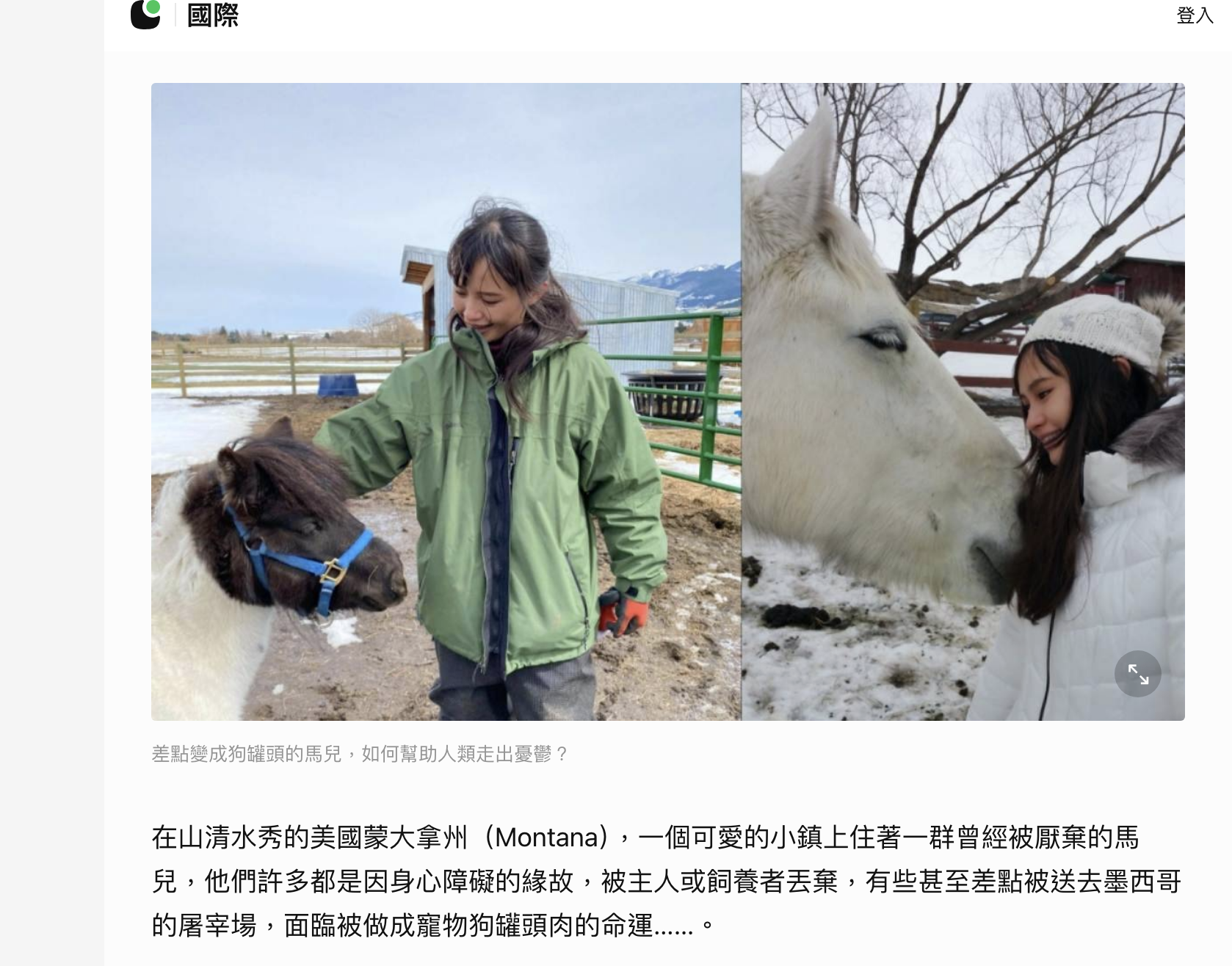
Beyond the U.S. and Taiwan, I have also worked in Cambodia, Uganda, and India. In India, I led a counseling program for female factory workers at Foxconn, using art therapy to help women rebuild confidence and manage anxiety. These cross-cultural experiences have deepened my belief that healing and growth must be understood within each person’s cultural and social context.
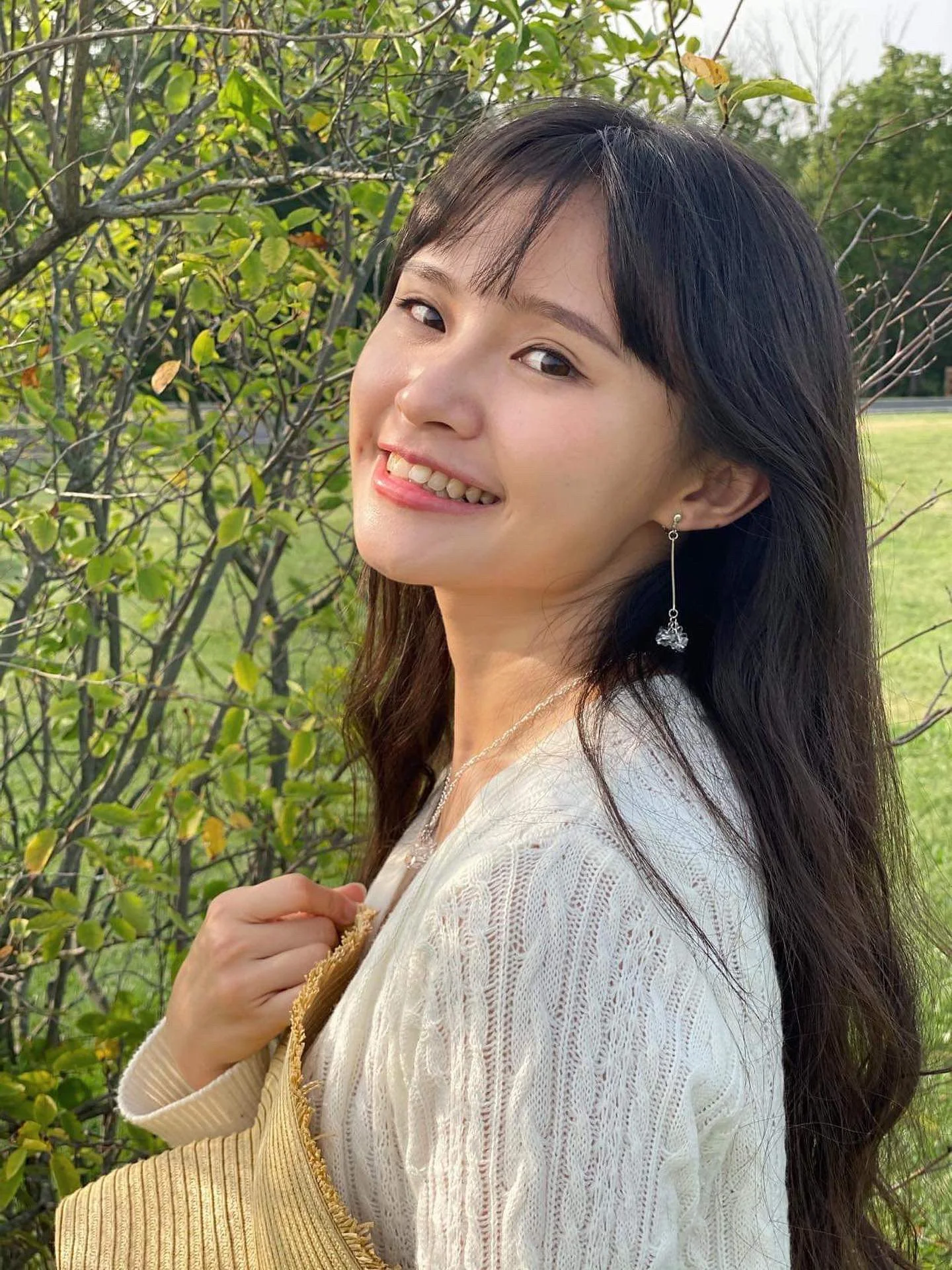
你好,我是黃心屏,
一位旅居美國華盛頓州的心理師。畢業於美國辛辛那提大學臨床心理諮商碩士學位。
我是個高敏感的人,從小就對情緒與環境的變化極為敏銳。由於我的父母與照顧者並非高敏感特質,照顧我對他們而言相當不容易。我很容易哭泣、對環境不適應,他們常常感到無力與困惑,於是我在一個打罵教育的環境中長大。
在我成長的過程中,父母的婚姻破裂、爭吵與離異,以及家庭環境的大變動,對我和弟弟造成了深刻影響。我仍記得那段時間,我常常哭著入睡,內心充滿恐懼與不安,因為高敏感,時常問我媽媽人生的意義是什麼,她為什麼要生下我?那時的我和弟弟怕黑、總是開著燈睡覺,那是一段非常缺乏安全感的日子。八歲那年,我常常思考存在的意義——為什麼我們會在這個世界上?又是什麼讓生命變得值得活下去?
當時的台灣社會對「心理健康」的概念相當陌生,心理諮商並不普及。即使我在學校的憂鬱量表上分數偏高,老師也只會輕描淡寫地說「不舒服就多休息」,沒有人真正理解心理不健康代表什麼。
長大後,我發現自己比一般人更容易陷入焦慮與憂鬱。微小的事情都可能讓我緊張到失眠,甚至出現頭痛、嘔吐等身體症狀。我的身體一向虛弱,這些經驗讓我開始意識到身心健康的重要性。我開始閱讀心理學、哲學與靈性成長的書籍,練習靜坐、瑜伽、催眠與靜觀等方法。這些探索逐漸幫助我理解情緒、療癒創傷,也促使我攻讀臨床心理諮商的碩士學位。
在這十七年的自我成長與專業學習中,我的身心狀況逐漸好轉。成為心理師之後,我也幫助了許多和我有類似經驗的人。每一次看到個案重新建立自信、學會溫柔對待自己,我都深刻感受到這份工作的意義和價值,也深深熱愛著這份工作。
我創立這個空間,是希望能陪伴那些像我一樣高敏感兒童或是對於照顧高敏感兒童感到挑戰和困難的父母。我特別關注低自尊、焦慮、憂鬱與創傷。我運用 ACT、MBCT、藝術治療與家庭治療等方法,幫助兒童在自我理解與自我接納中成長。
此外,因為我深刻體會高敏感孩子在成長中的孤單與掙扎,也讓我對教育產生濃厚的興趣。父母當年將我送入以升學為導向的體制學校,那裡強調成績勝過興趣,規範勝過創造,在求學的過程中我感到非常痛苦。這段經驗讓我理解,高敏感孩子往往擁有獨特的思維與學習方式,卻常被誤解或忽略。為了改變這樣的現象,我進一步攻讀教育碩士,研究各種教育理論與學習教育哲學和心理學,並發展出適合高敏感孩子與創造型學習者的教育方法。這套方法幫助我在求學中更順利,也讓我發展出熱情與專長。我後來,我曾在美國的猶太蒙特梭利學校任教,並在兒童醫院接受兒童輔導訓練。這些經驗進一步開啟了我想協助高敏感兒童與青少年的使命——希望他們能夠自在地成長、發揮天賦,而父母也能學會理解並溫柔地陪伴他們。
除此之外,我也曾在柬埔寨、烏干達與印度工作過,特別是在印度負責富士康女工心理諮商計畫,運用藝術治療幫助婦女重建信心與紓解焦慮。這些跨文化的經驗,讓我學會如何理解不同文化中的情緒表達與療癒方式,也讓我更堅信——心理療癒必須同時看見文化、社會與靈魂的層面。
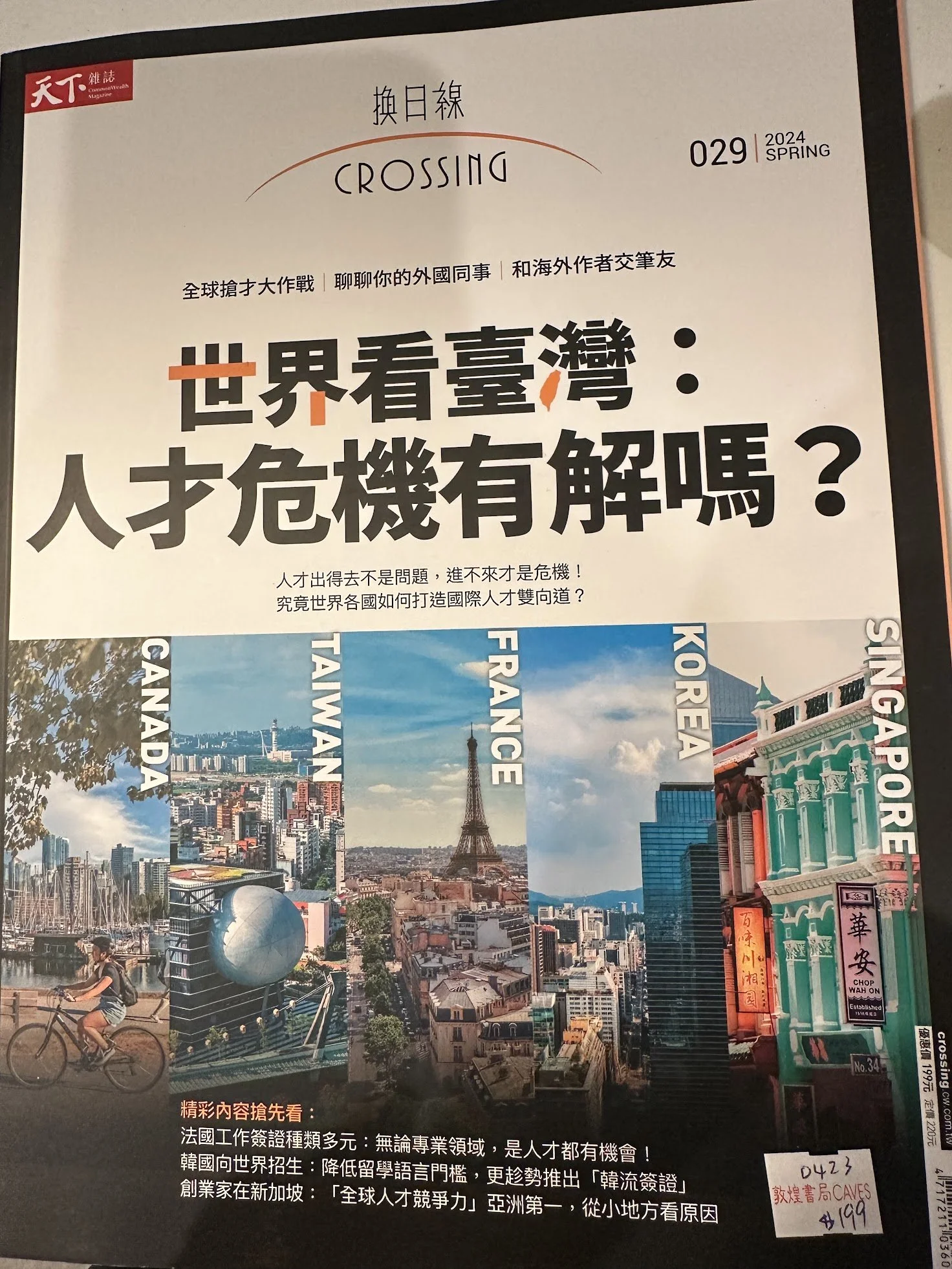
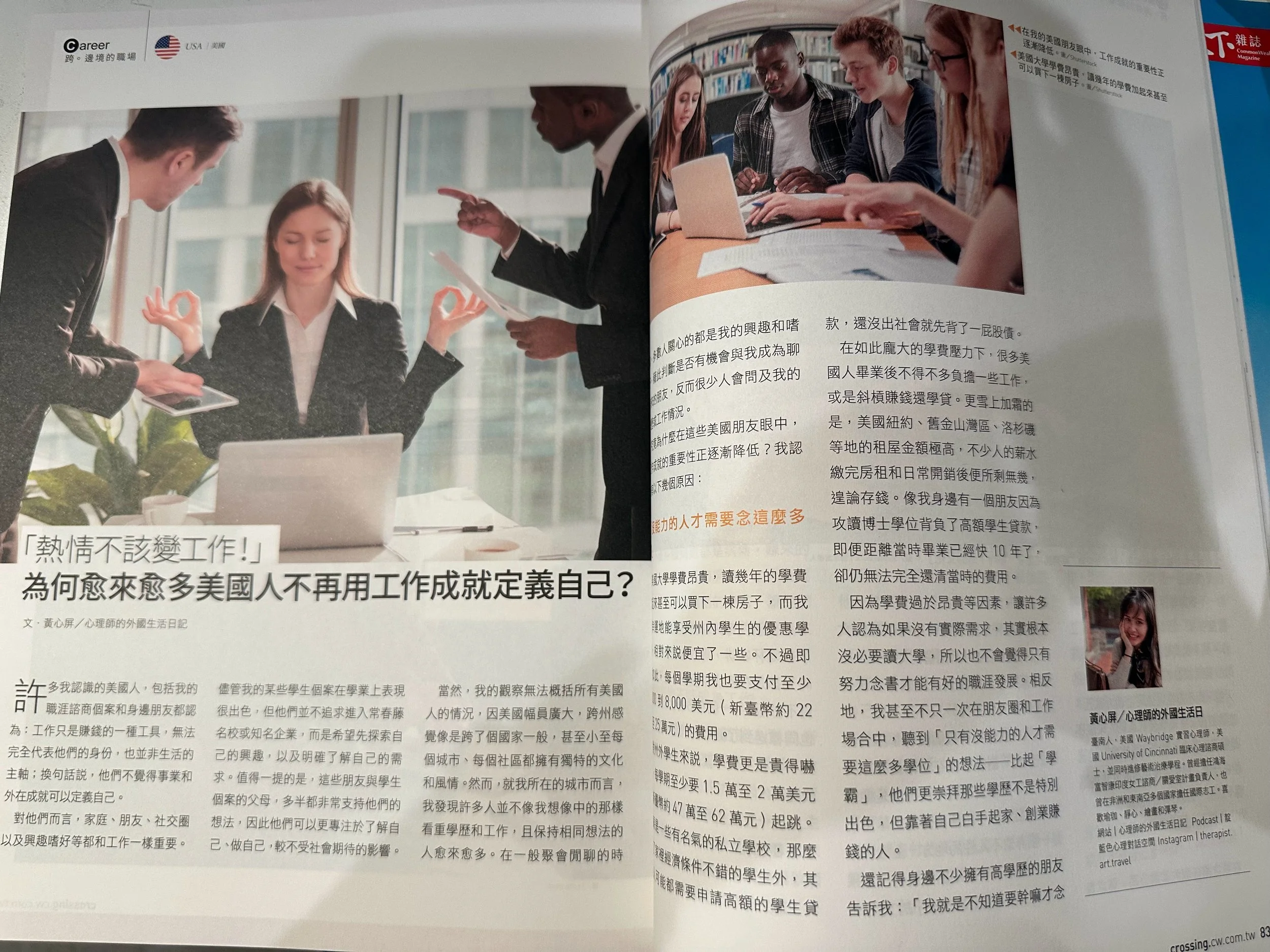
I’m also a columnist who writes about mental health, education, and international topics
我同時也是一名換日線的專欄作家,主要撰寫有關心理健康、教育與國際議題的文章
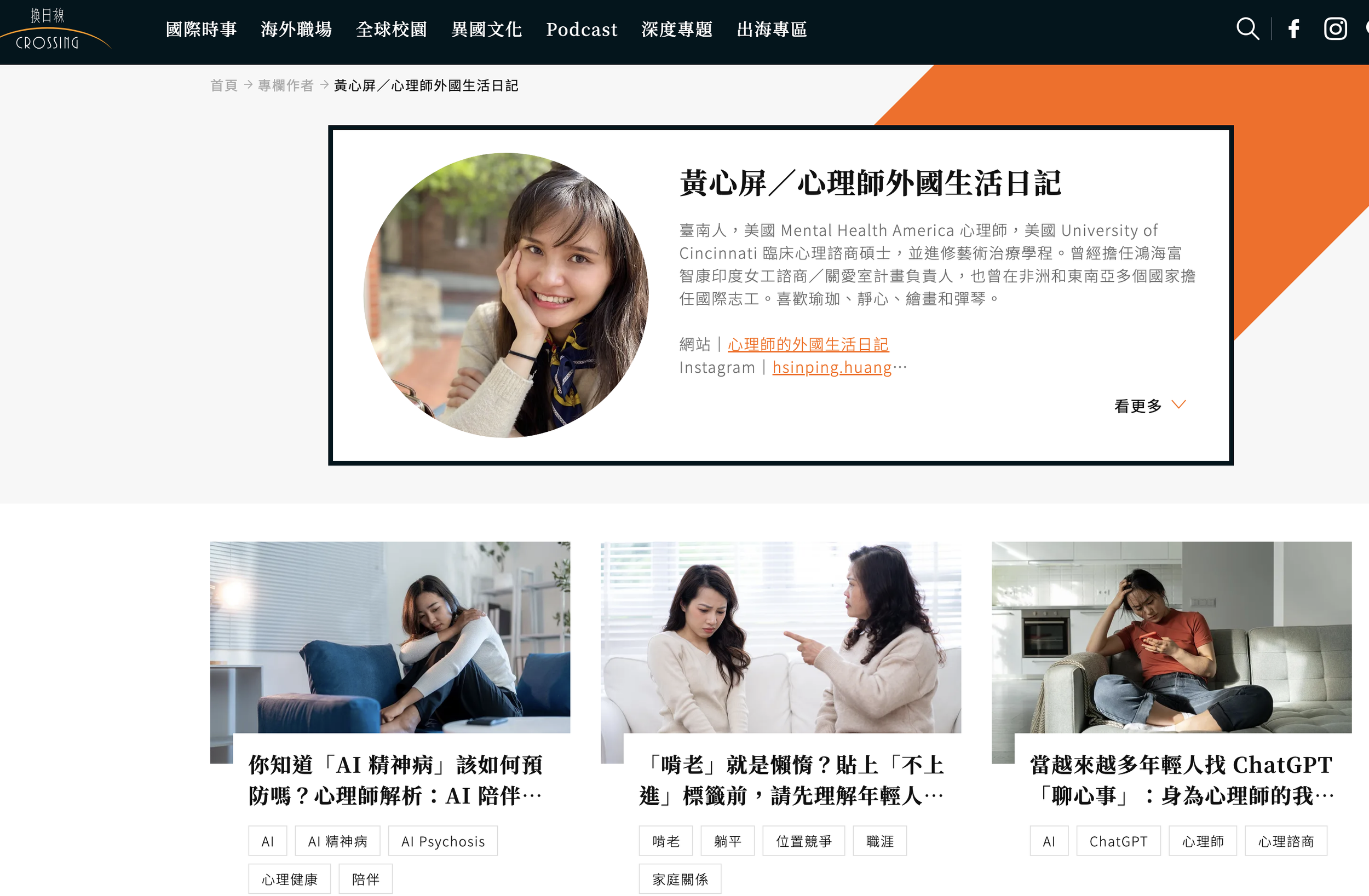
Published and Featured Articles
被出版和新聞報導的文章